.png)
Exploring the Jaw-Pelvis Connection Through Cat-Cow Yoga for Low Back Pain Relief
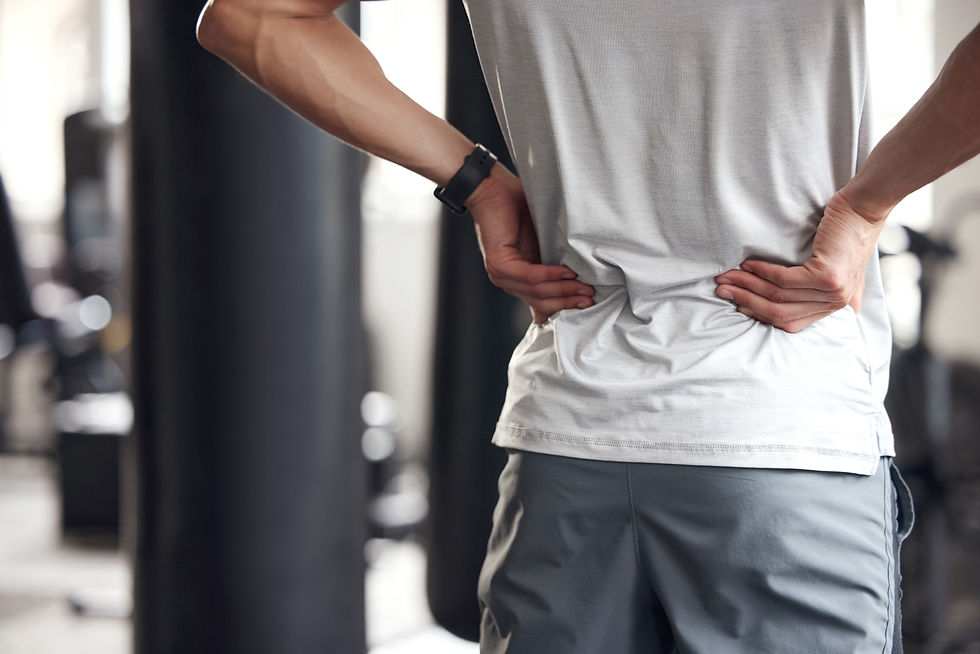
Low back pain, especially around the sacrum, is a common complaint among many people. Often, the focus is on the lower back itself, but the connection between the jaw and pelvis plays a surprising role in how we move and feel. The cat-cow yoga movement offers a practical way to explore this connection. When you try to move your head in the "cat" position and your hips in the "cow" position, you quickly realize that doing both without extreme effort is difficult. This challenge reveals how tightly linked the jaw and pelvis are through the spine and muscular chains.
This post will guide you through understanding this connection, how it relates to low back pain, and how to use specific movement and isolation techniques to support relief and better mobility.
How the Jaw and Pelvis Are Connected
The jaw and pelvis might seem unrelated, but they are connected through the spine and fascia, the connective tissue that surrounds muscles and organs. The muscles involved in jaw movement, such as the masseter and temporalis, influence the neck and upper spine. The pelvis, especially the sacrum, is the base of the spine and supports the entire upper body.
When the jaw is tight or misaligned, it can affect the neck and upper back posture. This tension travels down the spine, influencing how the pelvis moves and stabilizes. Similarly, restrictions or misalignments in the pelvis can affect the spine’s ability to move freely, which can cause compensations up the chain, including the jaw.
Many clients with low back pain around the sacrum also present with jaw tension or dysfunction. Addressing both areas together can improve movement patterns and reduce pain.
What Cat-Cow Yoga Reveals About This Connection
Cat-cow is a gentle yoga flow that moves the spine through flexion and extension. In the "cat" pose, the spine rounds, the head tucks, and the pelvis tilts backward. In the "cow" pose, the spine arches, the head lifts, and the pelvis tilts forward.
Try this now:
Move into the cat position by rounding your spine and tucking your chin toward your chest.
Then move into the cow position by arching your spine and lifting your head and tailbone.
Notice how moving your head in the cat position and your hips in the cow position at the same time is almost impossible without strain. This difficulty shows how the jaw and pelvis movements are linked through the spine. If your jaw is tight, it limits how much you can tuck your chin and round your spine. If your pelvis is stiff, it restricts how much you can tilt it forward or backward.
This movement highlights the importance of working on both the jaw and pelvis to improve spinal mobility and reduce low back pain.
Why Low Back Pain Often Centers Around the Sacrum
The sacrum is a triangular bone at the base of the spine, connecting the spine to the pelvis. It plays a key role in weight transfer and stability. When the pelvis or sacrum is misaligned or restricted, it can cause pain and limit movement.
Low back pain around the sacrum often results from:
Pelvic tilt imbalances
Tight or weak muscles around the hips and lower back
Poor spinal mobility
Jaw tension affecting posture and spinal alignment
Because the sacrum supports the spine and pelvis, restrictions here can cause discomfort and affect the entire back.
How Jaw Work Supports Pelvic and Spinal Health
Including jaw work in a movement or therapy routine can help release tension that affects the neck and spine. Techniques may include:
Gentle jaw stretches and massages
Controlled jaw opening and closing exercises
Breathing exercises that relax the jaw muscles
Relaxing the jaw can improve neck posture, which in turn allows better spinal movement and pelvic alignment. This approach supports the whole chain of movement from head to pelvis.
Isolating the Hips in Pelvic Tilt Before Adding the Whole Spine
Before moving the entire spine through cat-cow, isolating the hips with pelvic tilts helps build control and awareness. Pelvic tilts involve rocking the pelvis forward and backward while keeping the spine stable.
To practice pelvic tilts:
This video improves mobility in the muscles around the pelvis. Once you can isolate the hips, adding spinal movement with cat-cow becomes easier and less stressful on the low back.
This video stabilizes the pelvis so the body doesn't use the muscles you just mobilized to stabilize the pelvis. You can even practice your pelvic titls and cat/cow movements while using the block and strap technique.
Practical Steps to Jaw Work for Low Back Pain
To effectively address TMJ issues and aid in relieving low back pain, consider the following practical steps:
1. Self-Massage Techniques
- Gently massage the jaw muscles, particularly around the TMJ area, using your fingers in circular motions. - Apply pressure to tender points in the jaw and neck to release tension.
2. Stretching Exercises
- Perform gentle jaw stretches by opening and closing the mouth slowly. - Incorporate neck stretches to relieve tension that may affect the TMJ.
3. Posture Awareness
- Maintain awareness of your posture throughout the day, ensuring your head is aligned over your shoulders and your jaw is relaxed. - Avoid clenching your teeth and practice keeping your mouth slightly open when at rest.
4. Breathing Exercises
- Practice deep breathing techniques to promote relaxation and reduce stress, which can exacerbate TMJ dysfunction.
5. Professional NMT Sessions
- Consult with a trained NMT therapist who can provide targeted treatment for TMJ issues and related muscle imbalances affecting the hips and lower back. By integrating these steps, individuals can work towards alleviating TMJ dysfunction and its associated impacts on lower back pain, creating a more balanced and pain-free body.
Final Thoughts on the Jaw-Pelvis Connection and Low Back Pain
The jaw and pelvis are more connected than most people realize. This connection influences how the spine moves and how pain develops, especially around the sacrum. Using the cat-cow yoga movement to explore this link reveals the importance of addressing both areas together.
By including jaw techniques in your massage session and stabilizing the hips with the block and strap homework, you can support better posture, reduce tension, and relieve low back pain. Try these steps regularly and notice how your body feels more balanced and free.


Comments